 Ankle and arm pressures
Peripheral artery disease

Area 1 of 6
Heart failure research, with room to rest between tests.
Heart failure studies often ask for walking tests, scans and regular weigh-ins. Here is what that looks like, and the support worth asking for before the first visit.
Walking tests are commonAsk for a chair nearby
What studies ask
What a heart failure study may ask of you.
Every study is different, and the consent form sets out exactly what one involves. These are the things that come up most often in this area.
- Regular visitsOften every few weeks at the start, then further apart.
- A walking testA timed walk along a corridor, stopping when you need to.
- A heart scanAn ultrasound of the heart, lying on your side for a while.
- Blood testsUsually a small sample from the arm at most visits.
- Daily weightsSome studies ask you to weigh yourself each morning.
- A medicine listEvery medicine you take, including ones from the store.
Support to ask for
Support worth raising at the first call
- Rest
- A chair outside each test room and time to sit between tests
- Getting there
- A drop-off point near the entrance, or help with transport
- Breathing
- Fewer stairs, a lift and a slower walk between rooms
- Language
- An interpreter for the consent talk and every visit
- Timing
- Morning or afternoon slots around your water tablets
Overview
About heart failure, and its research.
Heart failure means the heart is not pumping as well as the body needs. It does not mean the heart has stopped. People often notice breathlessness, swollen ankles and tiredness that makes stairs or a short walk hard.
Research in this area looks at medicines, devices that support the heart rhythm, rehabilitation and exercise programs, diet and fluid advice, and ways to keep watch on symptoms at home between appointments.
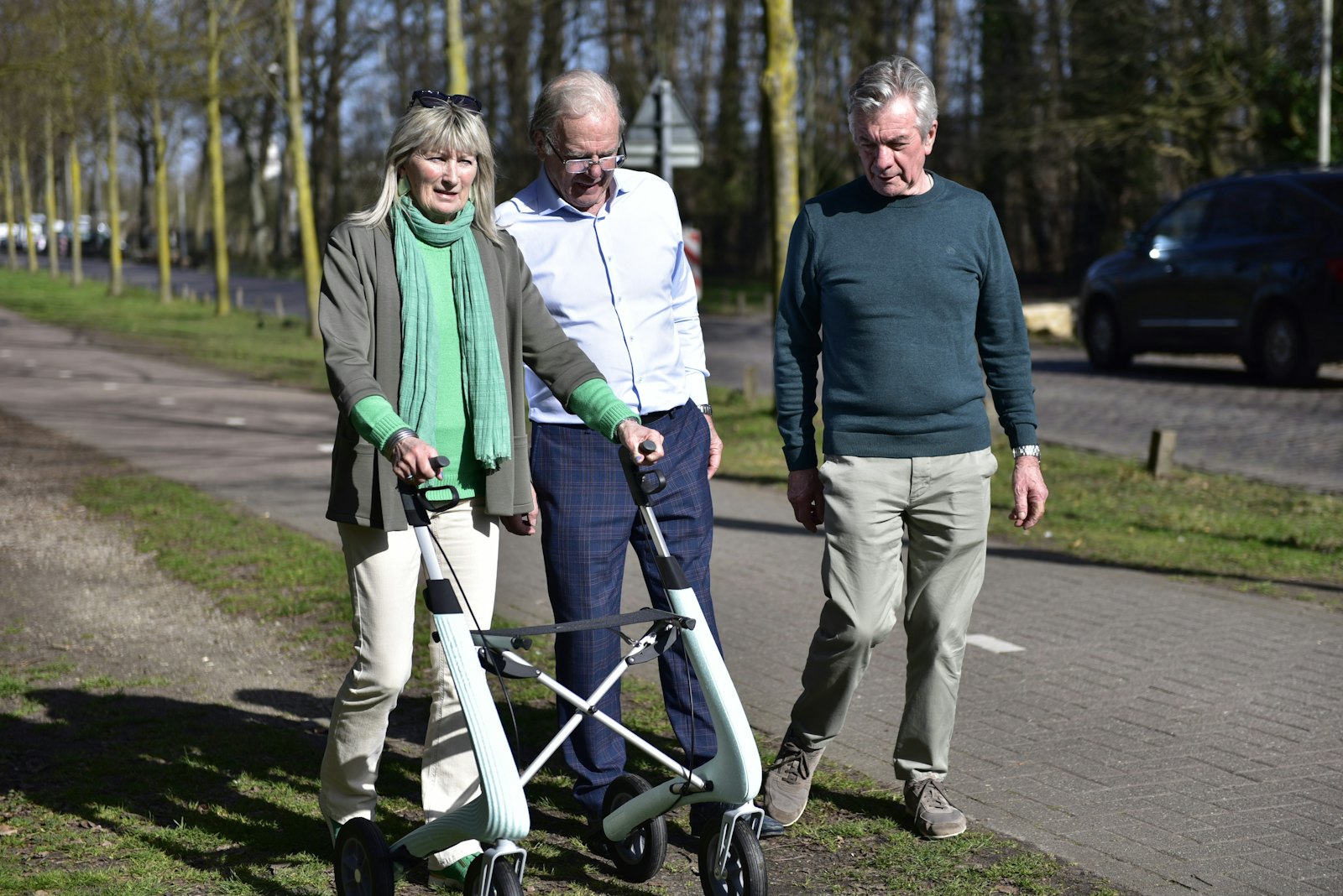
Ask for a chair nearby
Walking tests at your own paceMost are timed walks along a corridor, with rests allowed
Words you may hear
Three terms that come up in this area.
Study teams try to explain things simply, but some words appear on almost every form. Here they are in plain English.
Ejection fraction
A measure of how much blood the heart pushes out with each beat. Studies often list a range.
Fluid retention
Water building up in the legs or lungs, one reason daily weights are asked for.
Cardiac rehab
A supervised exercise and education program after a heart problem.
Other areas
More areas Kingsley Med covers.
Each one follows the same pattern: the condition, what studies ask, and the support to request.
All research areas
Ankle and arm pressures
Peripheral artery disease
 Scans and bleeding diaries
Uterine fibroids
 Breathing tests and imaging
Sarcoidosis
Heart failure questions
Heart failure, questions answered.
The questions people ask most about studies in this area.
Not on the list?
Our full FAQ covers support, texts and how Kingsley Med works.
Walking tests are usually timed walks along a flat corridor. You walk at your own pace and you can stop and rest whenever you need to. If walking is hard for you, say so at the first call; some studies use other measures.
Yes, in most studies. A family member or friend can sit with you, help with forms and listen to the explanations. Ask the study team if there is any part of a visit they would need to leave the room for.
Ask before the first visit. Research teams in the United States commonly arrange a trained medical interpreter, by phone, video or in person, for the consent talk and the visits that follow.
Some studies add something to your usual care and some compare approaches. The consent form says which, and nobody should stop or change a medicine without talking to their own doctor first.
Free, and easy to stop
Hear about heart failure research near you.
The sign-up form opens with this area already chosen. Add your ZIP code and Kingsley Med will be in touch occasionally about research close to it.
Get updatesYour details stay with Kingsley Med
Rather talk to a person?
Ask a question about anything on this site.
Monday to Friday, 9am - 5pm EST