 Language
Taking part in a study in a language other than English
Read the guide
Background
Why clinical research needs people of every age and background
A medicine is tested on volunteers before it reaches everyone else. When those volunteers come from a narrow slice of the population, the answers are narrower too.
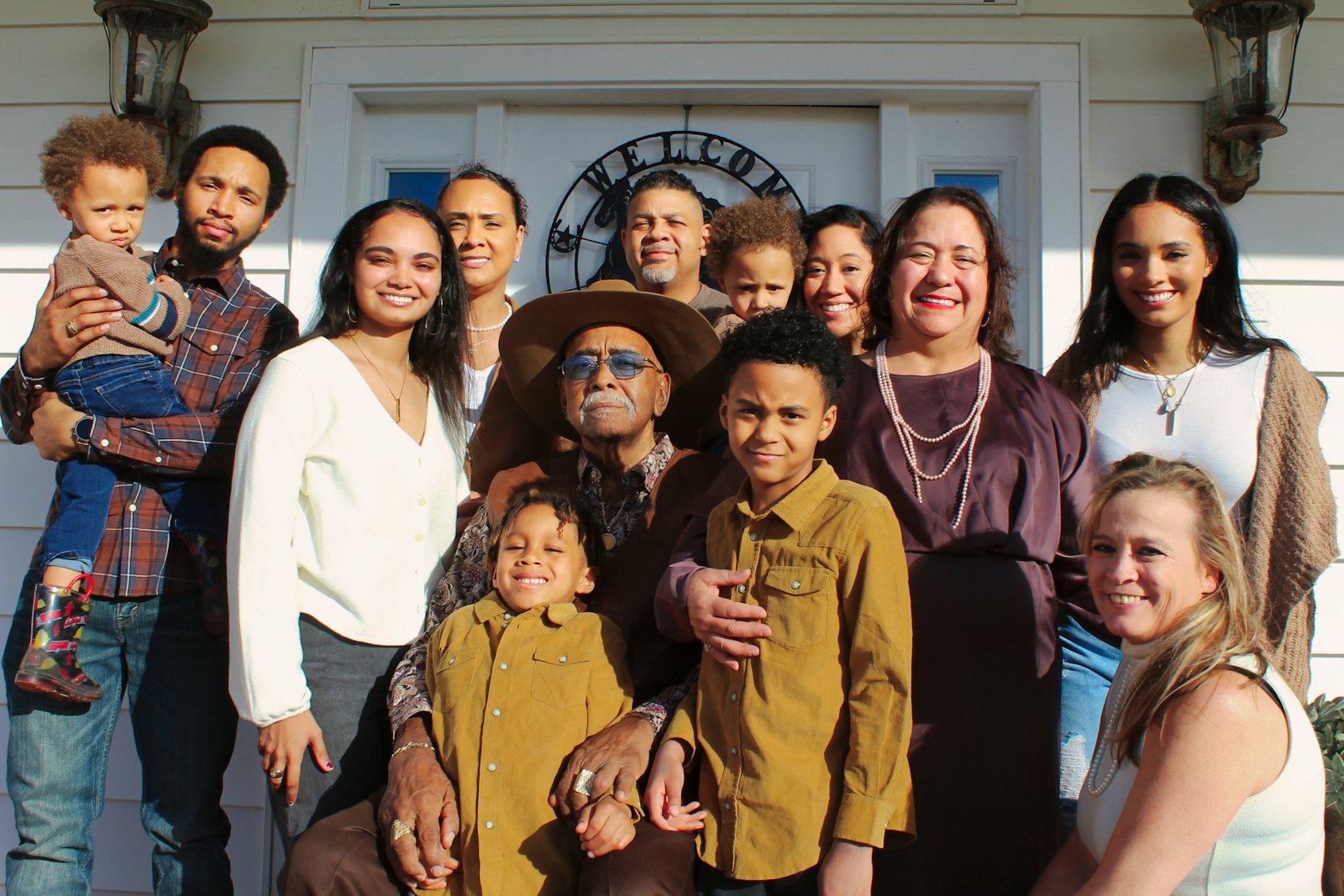
What a study learns from its volunteers
A clinical trial measures how a treatment, test or program works in the people who take part. Doctors then use those results to make decisions for patients who look like the volunteers, and for many who do not.
If most volunteers are of one age or background, questions about everyone else are answered less well. Bodies differ with age, with other conditions and with the medicines people already take, and some conditions are more common in some communities than in others.
Who has often been missing
Research teams have long found it harder to reach some groups. These include people aged 65 and over, people who speak a language other than English at home, people with disabilities, people who live far from a large hospital, and people who already manage more than one condition.
That is rarely because those people were not interested. More often the study was hard to reach, the forms were hard to read, the visits clashed with work or caring, or nobody asked.
What is changing
Many study teams now plan for a wider range of volunteers from the start. That can mean translated forms, interpreters, visits closer to home, transport help, and fewer upper age limits.
Those changes go furthest when volunteers say what they need. A request made at the first call gives the team time to arrange it.
Your part, if you want one
Taking part in research is always a choice. Reading about it, asking questions and deciding not to go ahead are all reasonable steps.
- Read about a study before anyone asks you to join.
- Ask what support the team can arrange.
- Talk it over with family and your own doctor.
- Decide in your own time, and change your mind if you need to.
Questions to ask the study team
- 1Who has taken part in this study so far?
- 2Can you arrange the support I need to take part?
- 3Are the forms available in my language?
- 4Is there an upper age limit, and why?
Copy these, add your own, and keep the list by the phone for the first call.
This guide is general information. It is not medical advice, and it does not say whether any study would accept you. Talk to your own doctor about your health.
Keep reading
More guides for taking part.
Language
Taking part in a study in a language other than English
Read the guide
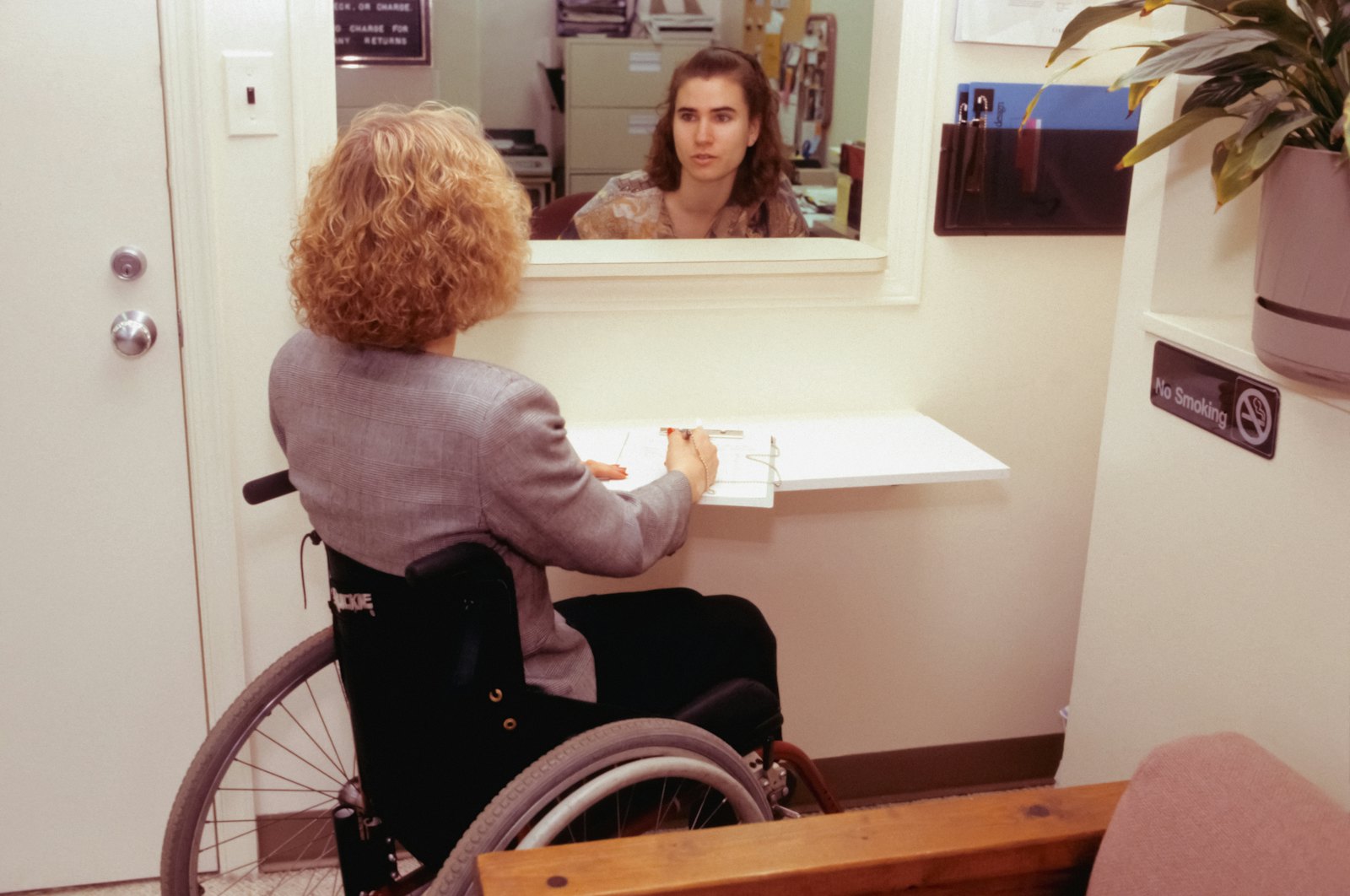 Access
Disability and access needs at study visits
Read the guide
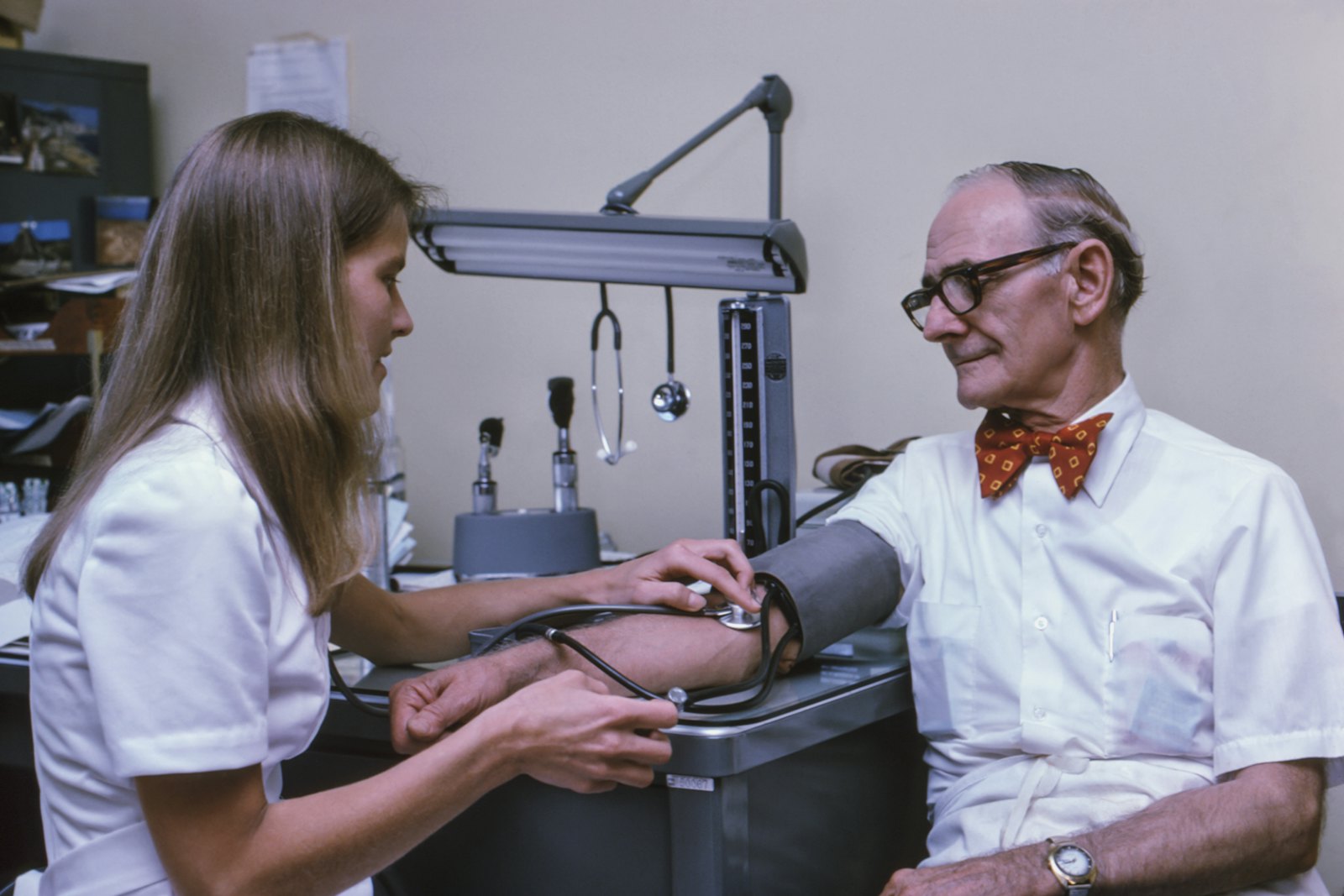 Age
Clinical trials for people 65 and over
Read the guide
Free, and easy to stop
Hear about research near you.
Pick an area of health and add your ZIP code for occasional research news from Kingsley Med, sent by email, with texts as an option.
Get updatesYour details stay with Kingsley Med
Rather talk to a person?
Ask a question about anything on this site.
Monday to Friday, 9am - 5pm EST